

HVAC Solutions for Commercial, Corporate and Industrial Infrastructure
Air conditioning technology, direct expansion, chilled water, precision cooling and high-efficiency systems for projects requiring thermal control, reliability and continuous operation.
Leading HVAC Manufacturers Worldwide
In the air conditioning and HVAC industry, leading brands with strong market presence, sales volume and prestige across corporate, commercial and industrial applications are differentiated by specialties such as chillers, VRF, precision cooling, packaged units and mini splits.
12 High-Impact HVAC Brands
Manufacturers recognized for their technology, energy efficiency, integration capabilities and presence in air conditioning projects of different scales.
Daikin
Japan SpecialtyVRV/VRF, Chillers and Inverter Mini Splits.
Why It Stands OutThe world’s #1 HVAC manufacturer and a pioneer in Variable Refrigerant Volume (VRV) technology and environmentally friendly refrigerants.
Carrier
United States SpecialtyChillers, Packaged Rooftop Units and Chilled Water Systems.
Why It Stands OutInventors of modern air conditioning and a benchmark brand for large-scale industrial and commercial projects.
Trane
Trane Technologies · United States SpecialtyChilled Water Chillers, Air Handling Units (AHU) and Building Automation.
Why It Stands OutA leader in energy efficiency for commercial buildings, office towers and industrial facilities.

York
Johnson Controls · United States SpecialtyCentrifugal and Screw Chillers, Packaged Units and Industrial Solutions.
Why It Stands OutStrong institutional and industrial presence in hospitals, airports and manufacturing facilities.
Vertiv / Liebert
United States SpecialtyPrecision Air Conditioning (CRAC/CRAH).
Why It Stands OutA global standard for mission-critical cooling in Data Centers, server rooms and clean rooms.
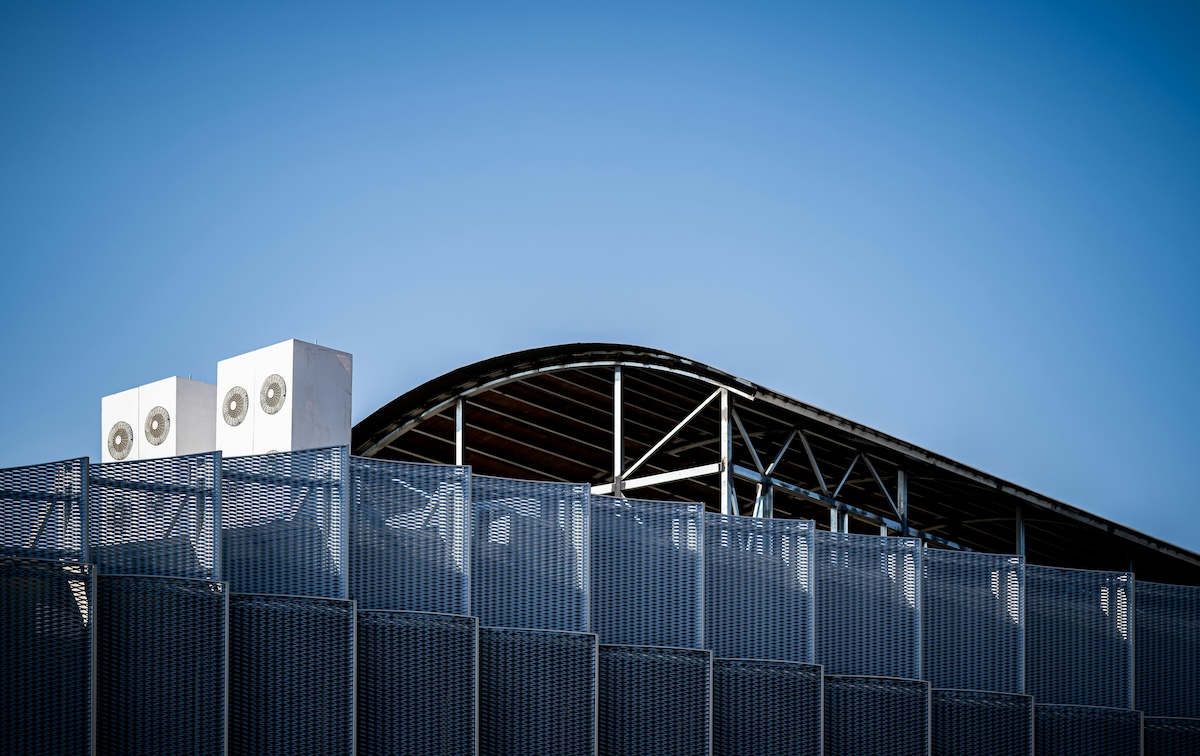
LG Electronics
South Korea SpecialtyMulti V VRF, Inverter Chillers and Mini Splits.
Why It Stands OutStrong technological innovation, integration with IoT and smart buildings, and continued growth in the corporate sector.
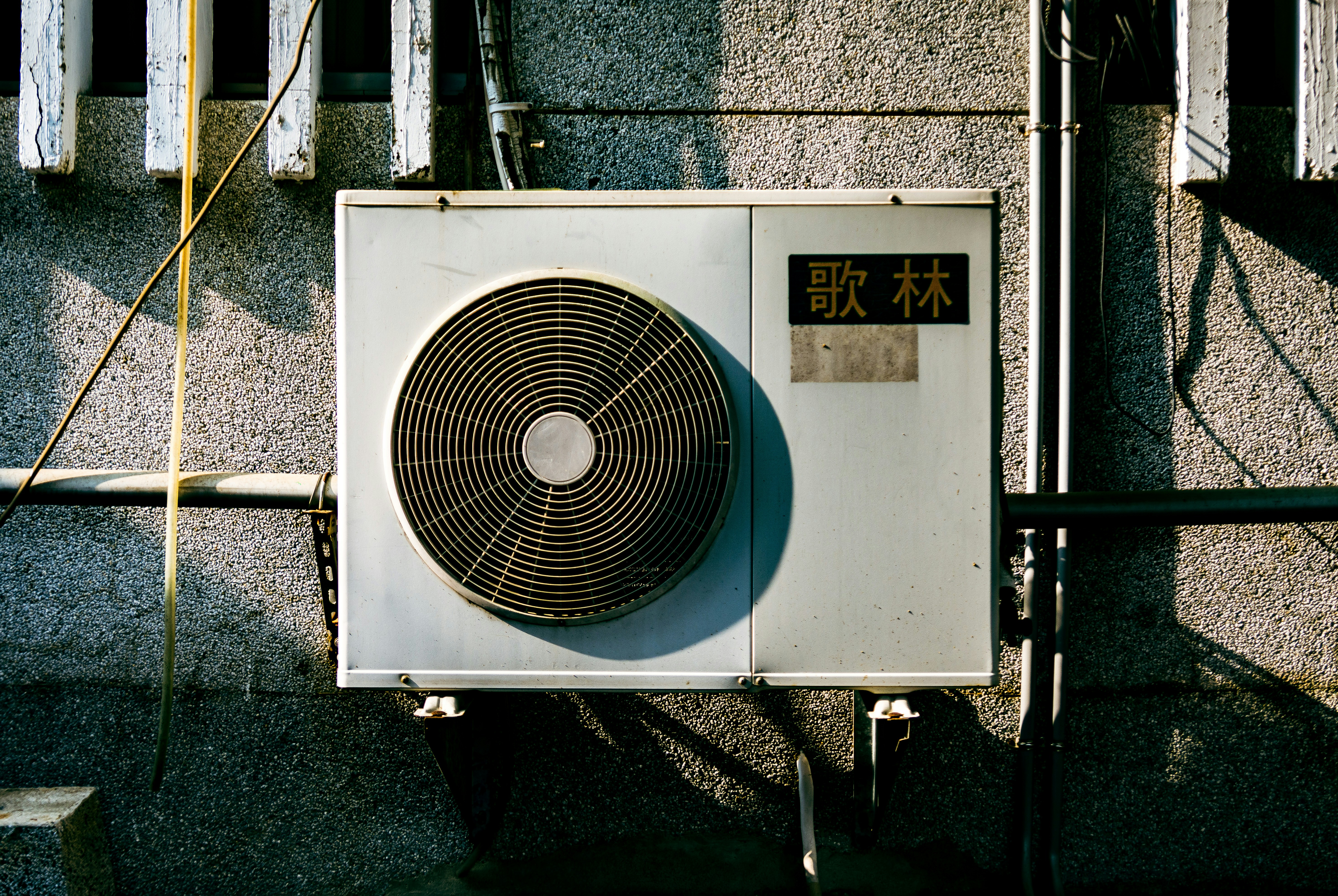
Lennox
United States SpecialtyPackaged Rooftop Units, High-End Residential Systems and Heating.
Why It Stands OutWell positioned in supermarkets, shopping centers and office buildings due to its high SEER efficiency ratings.
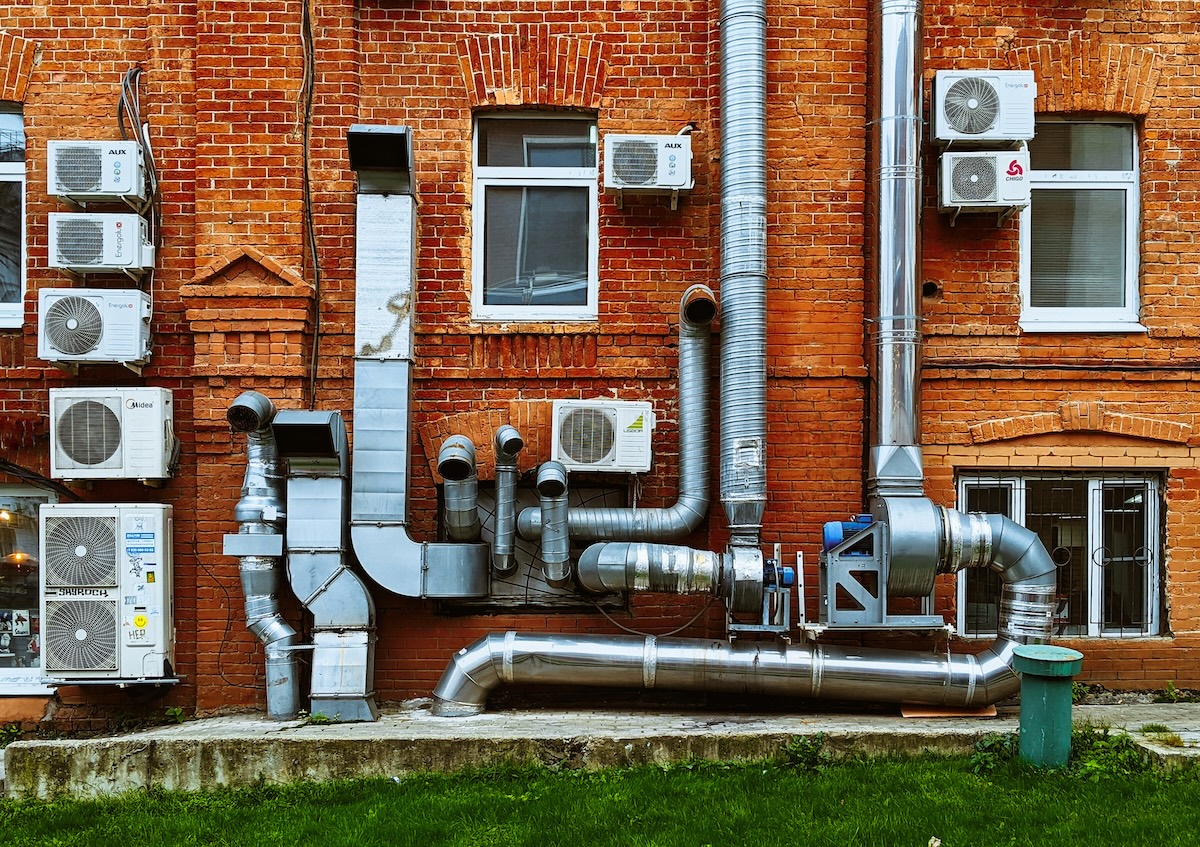
STULZ
Germany SpecialtyPrecision Cooling and Liquid Cooling.
Why It Stands OutGerman engineering specialized in data centers and high-density technology infrastructure.
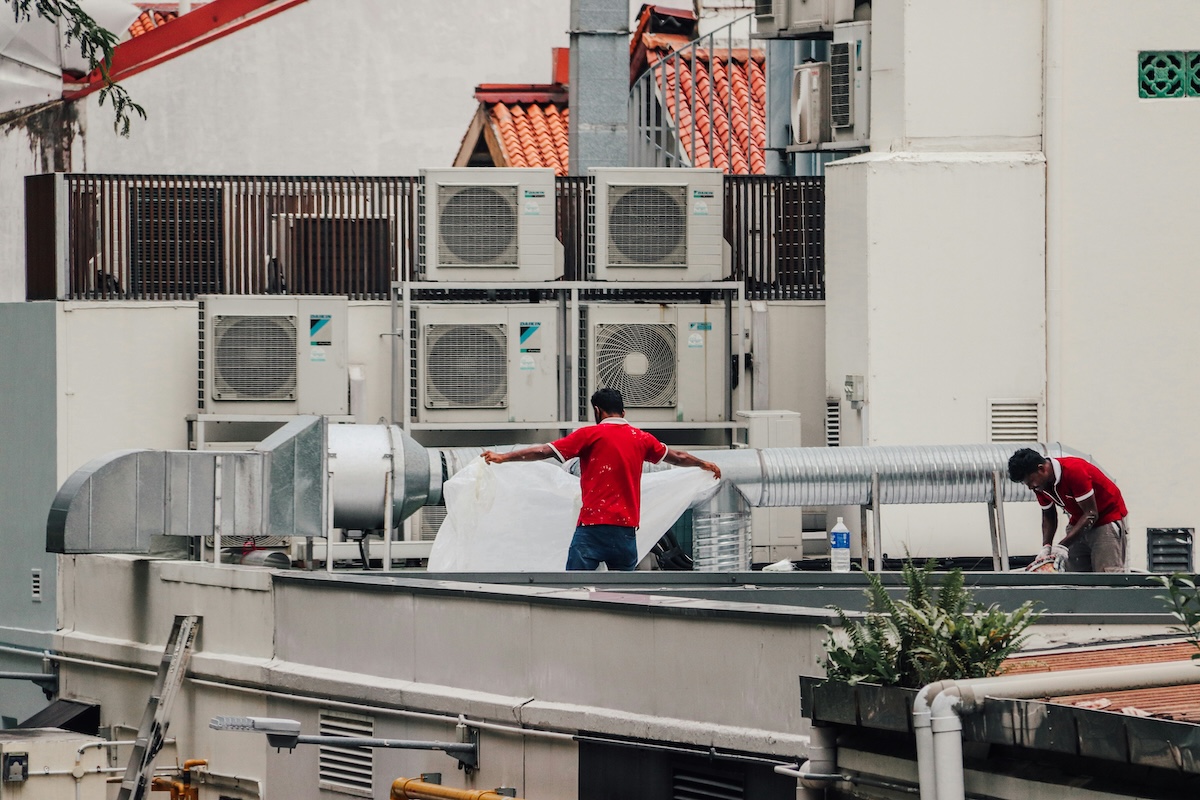
Gree
China SpecialtyMini Splits, VRF and Modular Chillers.
Why It Stands OutOne of the world’s largest manufacturers by production volume, with a strong presence in the global mass-market segment.
Midea
China SpecialtyVRF Systems, Inverter Mini Splits and Modular Chillers.
Why It Stands OutA rapidly expanding technology giant with global strategic partnerships and a strong cost-benefit proposition for commercial projects.
Mirage
Mexico / Latin America SpecialtyInverter Mini Splits and Light VRF.
Why It Stands OutA brand with strong market penetration and sales volume in the residential and light commercial sectors across Mexico and Latin America.
Main HVAC Air Conditioning Systems
HVAC solutions can be classified according to the thermal transfer medium, system architecture and level of precision required for each application.
Direct Expansion Systems (DX)
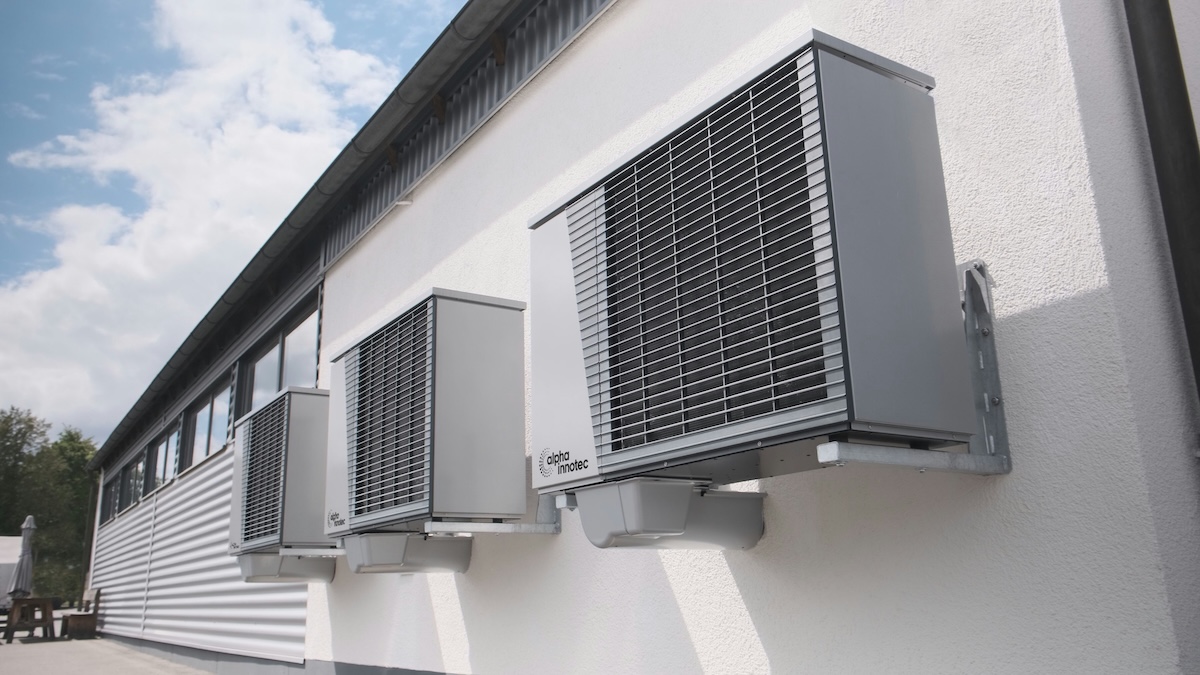
In these systems, the refrigerant expands and exchanges heat directly inside a coil that is in direct contact with the air to be cooled.
- Mini Splits and Multi Splits: Systems consisting of one outdoor condensing unit and one or more indoor evaporator units, such as wall-mounted, cassette or floor units.
- VRF / VRV Systems: Networks in which a central group of condensing units modulates refrigerant flow independently to dozens of indoor evaporator units.
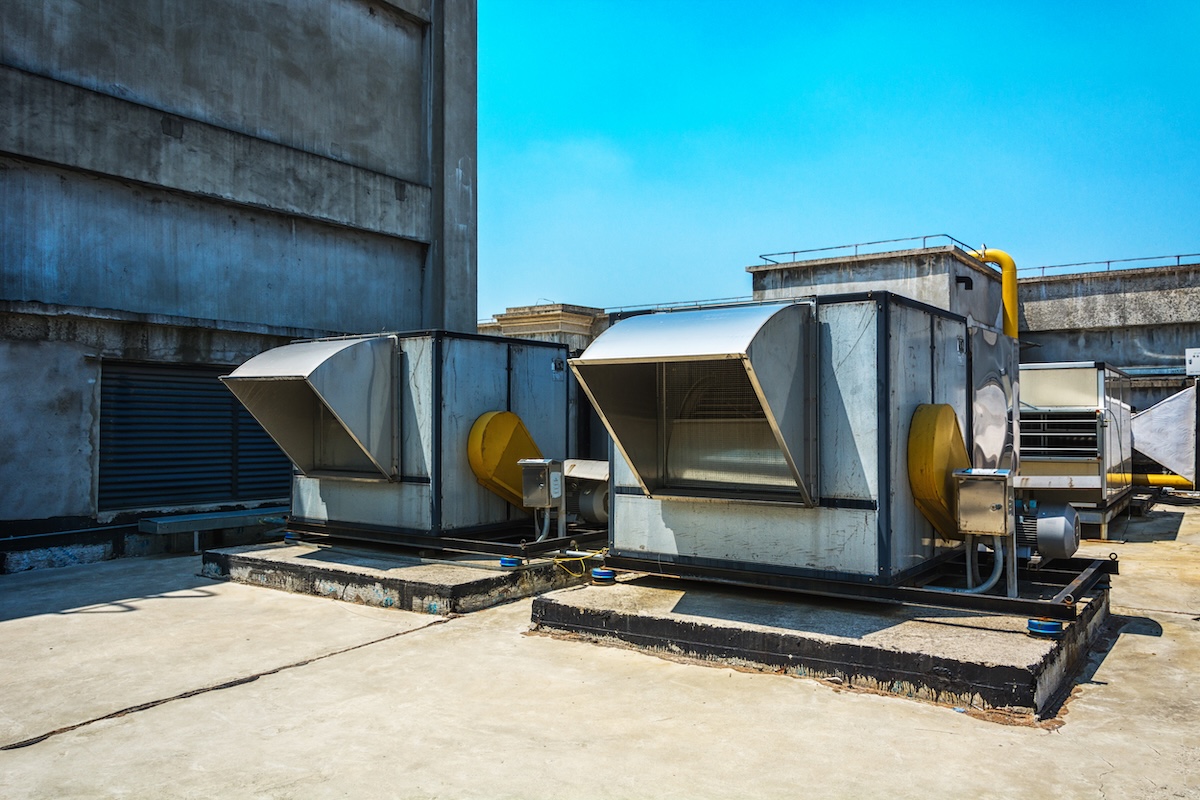
- Packaged Units (Rooftop / RTU): Self-contained units installed outdoors or on rooftops that deliver conditioned air through a duct network.
- Commercial Split Systems: An outdoor condensing unit connected through copper piping to an indoor air handler or fan coil unit.
Hydronic Systems (Chilled Water)
These systems use a closed circuit of water or a water-glycol mixture that is cooled in a central plant and distributed through piping to the areas requiring air conditioning.
- Chillers: The heart of the system. They typically cool water to between 4 °C and 7 °C and may be air-cooled or water-cooled, using centrifugal, screw or scroll compressors.
- Air Handling Units (AHU): Large centralized units that receive chilled water in their coils and deliver filtered air through ductwork.
- Fan Coil Units (FCU): Compact terminal units for individual zones or rooms containing a water coil and a fan.
- Cooling Towers: Mechanical-draft equipment that rejects heat from condenser water to the atmosphere in water-cooled chiller plants.
- Chilled Water and Condenser Pumps: Hydronic pumping equipment that maintains constant fluid circulation throughout the piping network.
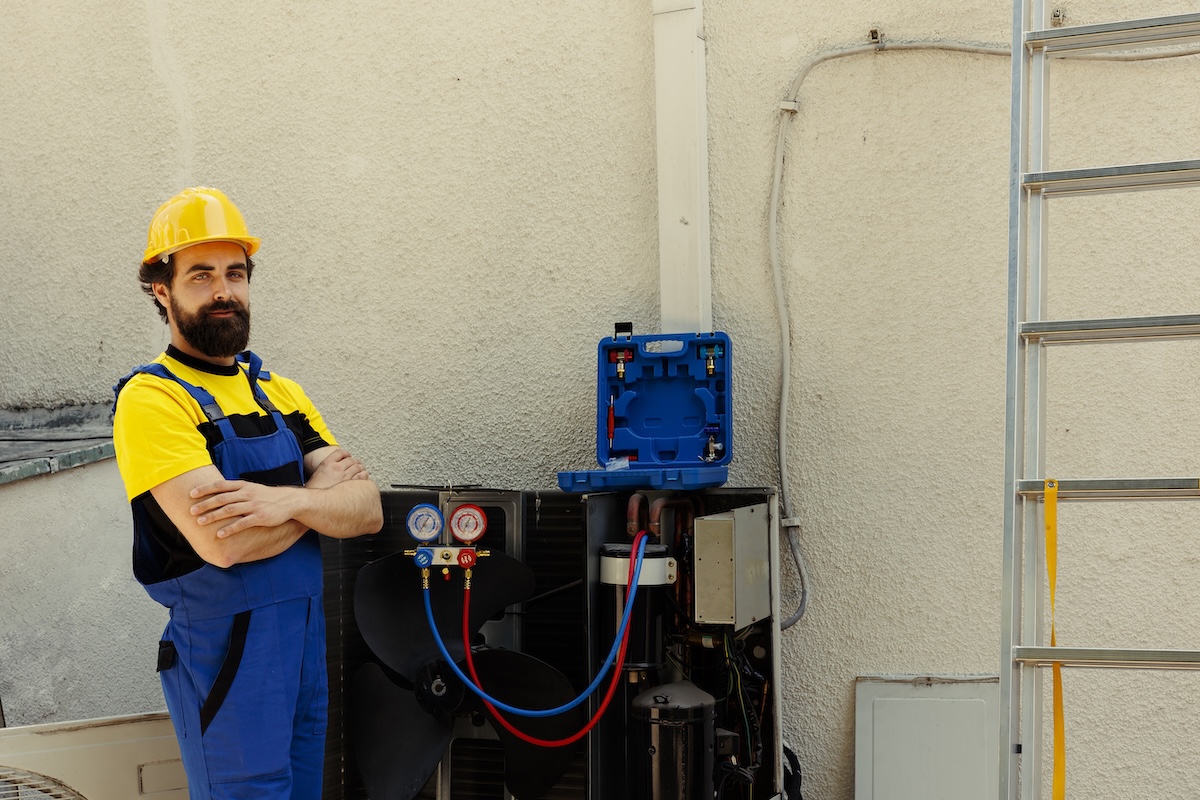
Precision and Mission-Critical Systems
Designed to control temperature, relative humidity and filtration with high accuracy during 24/7/365 operation in environments where failure is not an option, including Data Centers, operating rooms and laboratories.
- CRAC Units: Precision cooling equipment operating on the direct-expansion principle.
- CRAH Units: Precision air handling equipment supplied with chilled water from external chillers.
- In-Row / In-Rack Coolers: Compact modular units installed between server rack rows to remove high-density thermal loads directly at the source.
- Immersion Cooling Systems: Electronic components or servers are immersed in dielectric fluids with high thermal-transfer capabilities.
Evaporative (Adiabatic) Systems
These systems lower air temperature by using water evaporation. As water changes from liquid to vapor, it absorbs thermal energy from the air.
- Evaporative Coolers: Also known as air washers or swamp coolers. Outdoor air passes through wet media and is supplied at a lower temperature and higher humidity.
- Adiabatic Dry Coolers: Closed heat exchangers that spray a fine water mist over outdoor coils during hot weather to improve heat-rejection performance.
Free Cooling and Geothermal Systems
These systems take advantage of naturally available outdoor thermal resources to provide cooling while reducing or temporarily eliminating mechanical compressor operation.
- Air-Side Economizers: Motorized damper modules installed in AHUs or Rooftop units that introduce outdoor air when its temperature is lower than the indoor temperature.
- Chillers with Free Cooling Modules: Chillers equipped with coils that use outdoor air directly to cool hydronic water during colder seasons without operating the compressors.
- Geothermal Heat Pumps: Systems that use the relatively stable temperature of the ground or groundwater for heat exchange and thermal dissipation through buried circuits.
Air Conditioning for Projects of Any Scale
We integrate solutions for commercial, industrial, corporate and mission-critical applications, as well as high-efficiency central HVAC systems.
Contact Us
Your project is one call or email away from starting to become a reality with us.
Call Us
771-745-4565
Email Us
corporativosaic@gmail.com
